Signed in as:
filler@godaddy.com
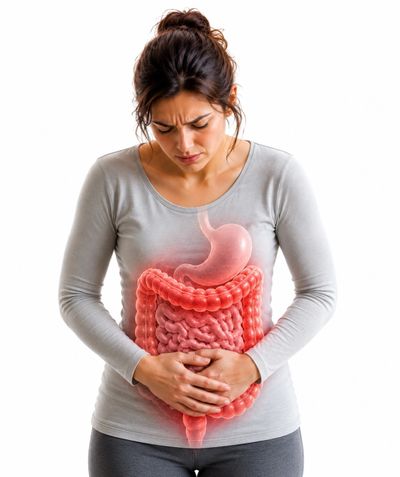
Butyrate is a short-chain fatty acid made by gut bacteria when they ferment dietary fiber. In inflammatory bowel disease, including Crohn’s disease and ulcerative colitis, butyrate has gained attention because it helps nourish colon cells, supports the intestinal barrier, and may reduce inflammation [1].
The colon normally relies on butyrate as an important energy source. When the gut microbiome is disrupted, butyrate-producing bacteria may decline, which can weaken barrier function and contribute to the inflammatory cycle seen in IBD. Researchers are especially interested in butyrate because it appears to influence immune signaling, epithelial integrity, and intestinal homeostasis [1-4].
What the research shows
A 2023 review concluded that the current literature supports butyrate as a potential add-on therapy to reduce inflammation and help maintain remission in IBD, although more clinical studies are needed. Preclinical studies also suggest that butyrate can suppress mucosal inflammation by lowering pro-inflammatory cytokines and modulating immune activity. Clinical studies have been more mixed, but oral supplementation has shown more promise than enemas in some settings [1-2].
Clinical potential
Interest in butyrate is growing because it may offer a more targeted, microbiome-informed approach to IBD care. A 2024 randomized placebo-controlled study in patients with Crohn’s disease and ulcerative colitis reported improved quality of life and better clinical outcomes in some participants receiving sodium butyrate, with response varying by gut enterotype. Pediatric studies are also exploring whether butyrate could help children with ulcerative colitis, especially those with low baseline butyrate production [4-5].
Diet and microbiome support
Because butyrate is produced from fiber fermentation, diet matters. Foods and dietary patterns that encourage butyrate-producing microbes may help raise fecal butyrate levels, including high-fiber approaches such as germinated barley foodstuff and oat bran. This does not replace standard IBD treatment, but it highlights why nutrition and microbiome composition are increasingly important in disease management [1].
Butyrate is not a stand-alone cure for IBD, but it is one of the most promising microbiome-derived molecules in the field. Its ability to support the gut barrier, influence immune responses, and potentially reduce inflammation makes it a strong candidate for future adjunctive therapy.
References:
1. Recharla N, Geesala R, Shi XZ. Gut Microbial Metabolite Butyrate and Its Therapeutic Role in Inflammatory Bowel Disease: A Literature Review. Nutrients. 2023 May 11;15(10):2275. doi: 10.3390/nu15102275. PMID: 37242159; PMCID: PMC10221771.
2. Parada-Venegas D, De la Fuente López M, Dubois-Camacho K, Landskron G, Blokzijl T, Molina H, Casanova MC, Cui Y, Liu M, Da Costa De Pina AM, Simian D, González MJ, Weersma RK, Quera R, Dijkstra G, Faber KN, Hermoso MA. Butyrate suppresses mucosal inflammation in inflammatory bowel disease primarily through HDAC3 inhibition in monocytes and macrophages. FEBS J. 2025 Nov;292(22):6134-6157. doi: 10.1111/febs.70289. Epub 2025 Oct 19. PMID: 41110099; PMCID: PMC12631161.
3. Geirnaert, A., Calatayud, M., Grootaert, C. et al. Butyrate-producing bacteria supplemented in vitro to Crohn’s disease patient microbiota increased butyrate production and enhanced intestinal epithelial barrier integrity. Sci Rep 7, 11450 (2017). https://doi.org/10.1038/s41598-017-11734-8
4. S Facchin, M Calgaro, M Pandolfo, C De Barba, B Barberio, F Zingone, N Vitulo, E V Savarino, P859 Sodium Butyrate supplementation significantly improved clinical outcomes and quality of life in patients with Crohn’s Disease – results from a randomized placebo-controlled study, Journal of Crohn's and Colitis, Volume 18, Issue Supplement_1, January 2024, Pages i1580–i1581, https://doi.org/10.1093/ecco-jcc/jjad212.0989
5. Michail, S. (2022, February 3). Can butyrate help Hispanic children with ulcerative colitis? Children's Hospital Los Angeles. https://www.chla.org/blog/experts/research-and-breakthroughs/can-butyrate-help-hispanic-children-ulcerative-colitis